Five Ways to Use a Small Harvest of Fresh Greens
Introduction
A home salad garden rarely delivers a supermarket-sized bag on command, which is why finding ways to use a small harvest of greens can be so useful. More often, the garden gives you a handful of lettuce, a few peppery arugula leaves, or just enough baby greens to make you wonder what to do with them.
If you’re looking for ways to use a small harvest of greens, the answer doesn’t have to be one very tiny salad. Homegrown greens are often most useful when you treat them as an ingredient rather than the entire meal. A handful can add freshness, flavor, color, or crunch to something you were already planning to make.
That’s part of the pleasure of growing your own food. You don’t have to wait until the garden produces a particular quantity before you can enjoy what is ready today.
These five ideas work with lettuce, mesclun, arugula, baby kale, mustard greens, herbs, or whatever else happens to be harvestable.
If you’re just getting started, my beginner’s guide to growing salad greens indoors covers varieties, lighting, planting, harvesting, and more.
Before You Use Freshly Harvested Greens
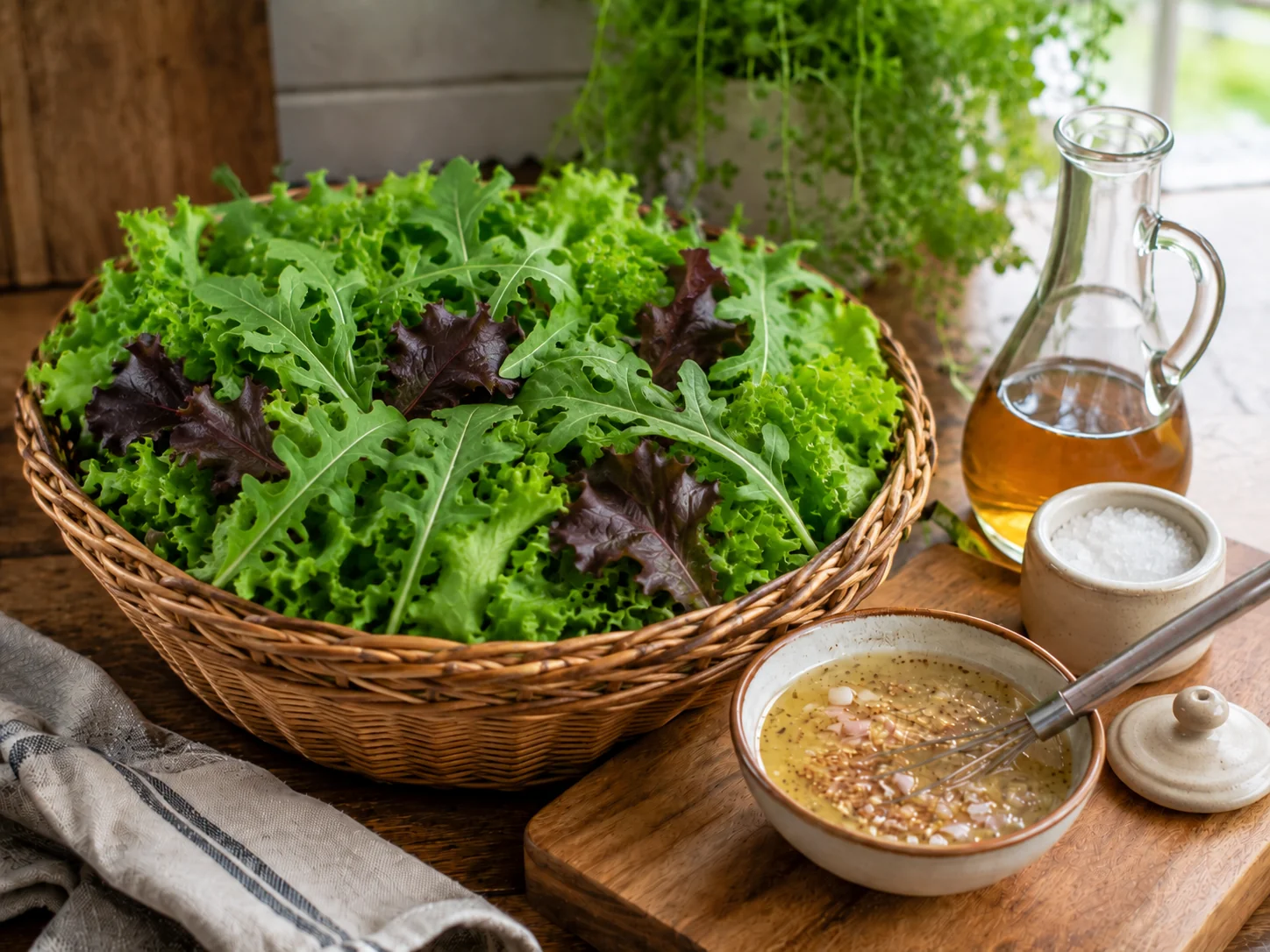
Harvest greens with clean scissors and remove any damaged or spoiled leaves. Rinse them under clean running water and dry them thoroughly. Dry leaves stay crisper, store better, and take dressing more evenly than wet greens.
For additional produce-handling guidance, see the FDA’s recommendations for washing fresh fruits and vegetables.
It also helps to sort your harvest roughly by how delicate the leaves are. Baby kale and mustard greens can tolerate a little heat, while tender lettuce and arugula are usually better served fresh or added at the very end of cooking.
Five Ways to Use a Small Harvest of Greens
1. Build a Small Salad with Fresh Greens
A small harvest doesn’t have to fill an entire salad bowl. Instead, let the greens provide the fresh center of the plate and use other ingredients to give the meal substance.
A simple formula is:
greens + protein + crunch + something sweet or acidic + dressing
Eggs, beans, grilled chicken, roasted vegetables, grains, cheese, nuts, seeds, and fruit can all help turn a cup or two of freshly harvested leaves into a satisfying lunch or light dinner.
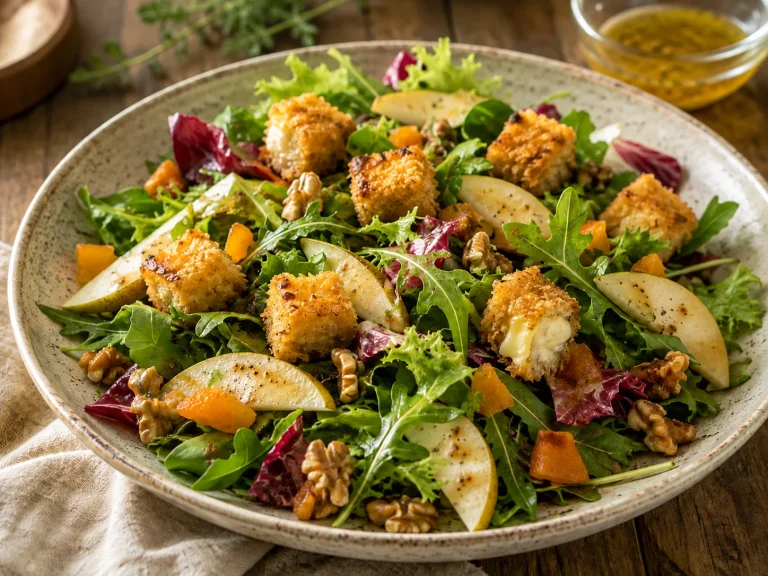
One of my favorite examples is a Mesclun & Arugula Salad with Warm Cambozola Croutons. It pairs fresh greens and radicchio with sliced pear, dried apricots, walnuts, crisp panko-crusted Cambozola, and a sherry-champagne mustard vinaigrette.
It’s a good example of why you don’t need an enormous harvest to make a memorable salad. The greens provide freshness and character while the other ingredients build the meal around them.
Use Fresh Greens in Sandwiches, Wraps, and Tacos
Sometimes the easiest destination for a handful of greens is the meal you’re already making.
Add crisp lettuce to a sandwich or burger, tuck arugula into a pita or wrap, or scatter small mustard leaves over tacos. Mild lettuce can cool spicy fillings, while peppery arugula pairs particularly well with roasted vegetables, cheese, eggs, and grilled meats.
This is one place where drying the leaves thoroughly really matters. A few crisp leaves can make a sandwich better. A few wet leaves can turn the bread into a small structural emergency.
3. Add a Small Harvest to Soups, Grains, Beans, and Pasta
Sturdier baby greens are especially useful when the harvest feels almost too small to bother with.
Stir chopped baby kale, mustard greens, or similar leaves into soup, rice, quinoa, beans, or pasta during the final minute of cooking. The residual heat softens them just enough without cooking away their fresh character.
Tender lettuce and arugula can be added after the dish comes off the heat. A few leaves scattered over warm pasta, beans, or grains with lemon, vinegar, grated cheese, or a drizzle of olive oil can brighten an otherwise pantry-heavy meal.
Instead of asking, What can I make from these greens?, try asking, What am I already making that these greens could make better?
That small shift makes tiny harvests much easier to use.
Turn Fresh Greens Into a Quick Green Sauce
You don’t need enough basil for a traditional batch of pesto to turn garden greens into a flavorful sauce.
Blend or finely chop a mixed handful of greens and herbs with olive oil, lemon juice or vinegar, garlic, salt, and pepper. Depending on what you have, add nuts, seeds, grated cheese, or fresh herbs.
Spoon the finished sauce over eggs, fish, grilled chicken, roasted vegetables, beans, grains, or toast.
This is also a useful way to use leaves that aren’t quite pretty enough for the salad bowl but are still fresh and wholesome. Trim away damaged portions rather than disguising anything spoiled in the sauce.
Garden cooking doesn’t always need a formal recipe. Sometimes the harvest gets to decide what’s for dinner.
5. Use a Small Harvest of Greens at Breakfast
Breakfast may be one of the easiest ways to use a small harvest of greens because one handful is often exactly the right amount.
Fold chopped baby kale or mustard greens into scrambled eggs or an omelet. Add arugula to avocado toast, tuck lettuce into an egg sandwich, or scatter fresh greens over a savory breakfast bowl.
A small harvest that looks almost comical sitting alone in a salad bowl can suddenly look completely intentional beside two eggs and a piece of toast.
How to Store a Small Harvest of Fresh Greens
If you aren’t using all of your greens immediately, dry them as thoroughly as possible before refrigerating them.
Wrap the leaves loosely in a clean kitchen towel or paper towel and place them in a container in the refrigerator. The towel helps absorb excess moisture while protecting delicate leaves.
Use tender greens promptly, and keep any dressing separate until you’re ready to eat them.
You also don’t have to harvest everything at once. One of the advantages of growing greens at home is being able to take what you need and return for more as the plants continue producing.
Make Small Harvests Part of the Way You Cook
Keep a short mental list of meals that welcome greens without requiring a particular quantity:
eggs, toast, sandwiches, wraps, grain bowls, pasta, soup, beans, tacos, and composed salads.
Then the question changes from Do I have enough greens? to Where can I use these today?
That’s really the idea behind finding ways to use a small harvest of greens. Your garden doesn’t have to reproduce the quantities sold at a grocery store to contribute something worthwhile to a meal.
Final Thoughts
A small harvest isn’t a failed harvest. It’s concentrated freshness.
Use homegrown greens where you’ll actually notice them. Let pantry staples provide the bulk of the meal, add a favorite dressing when you want the leaves themselves to take center stage, and harvest again when your plants are ready.
The garden doesn’t need to hand you dinner all at once. Sometimes its contribution is simply the best handful of greens on the plate.